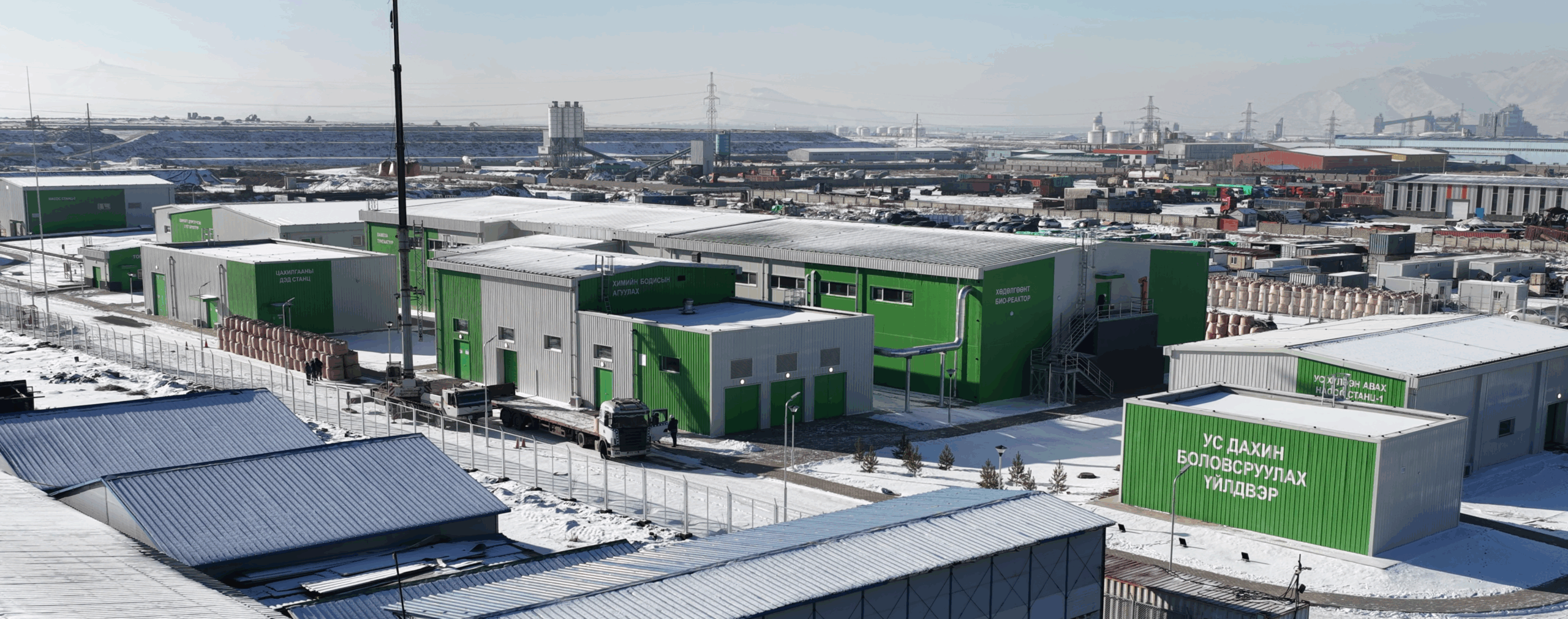
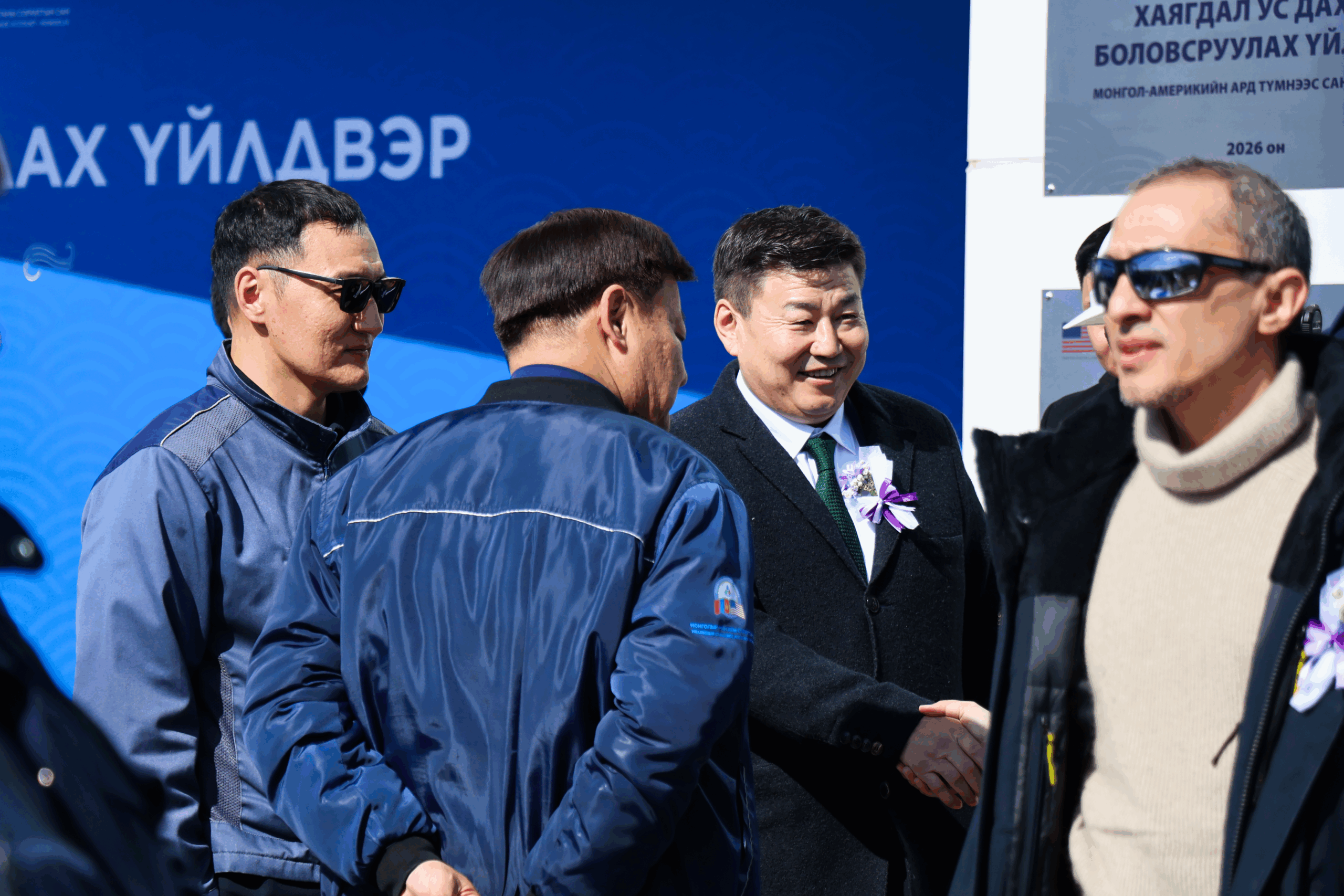
The inauguration of the Wastewater Recycling Plant project, designed to create a new water source for Mongolia, protect groundwater reserves, and introduce recycled water into Ulaanbaatar’s energy sector, was held on the 16th of this month.
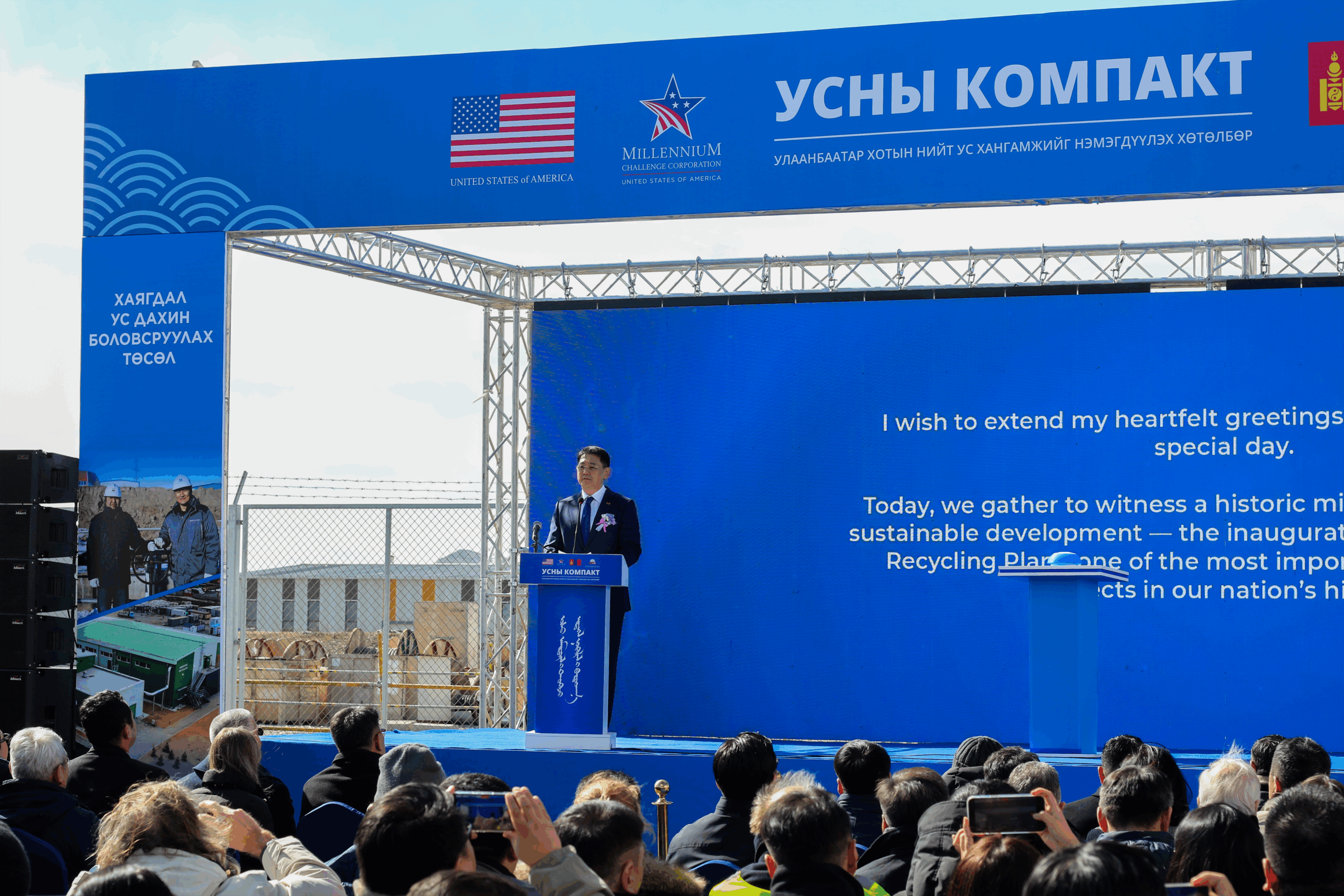
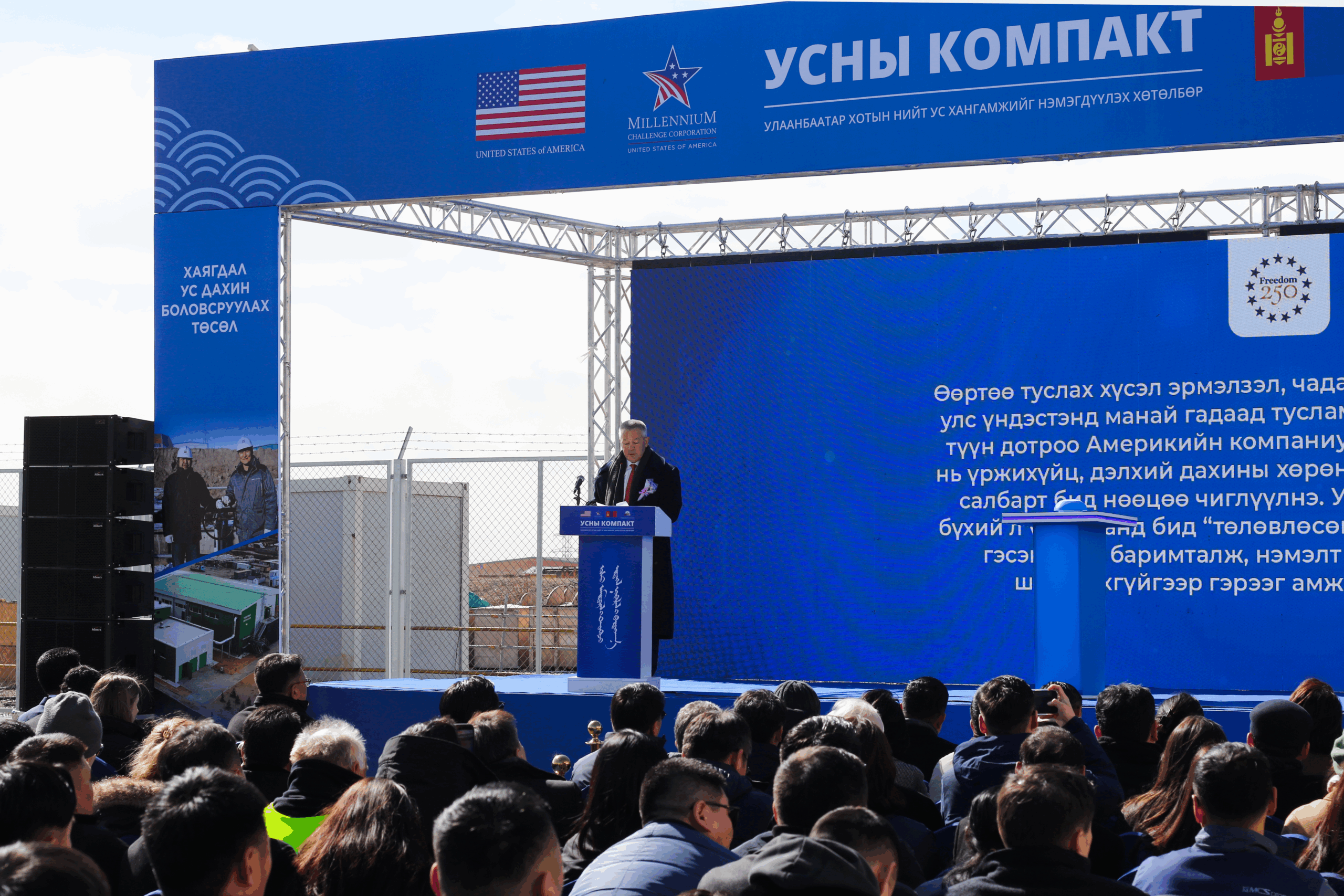
Implemented under the Second Compact Agreement between the Government of Mongolia and the Millennium Challenge Corporation (MCC) of the United States, also known as the Water Compact, the project was designed and delivered by MCS Property as the lead designer and general contractor.
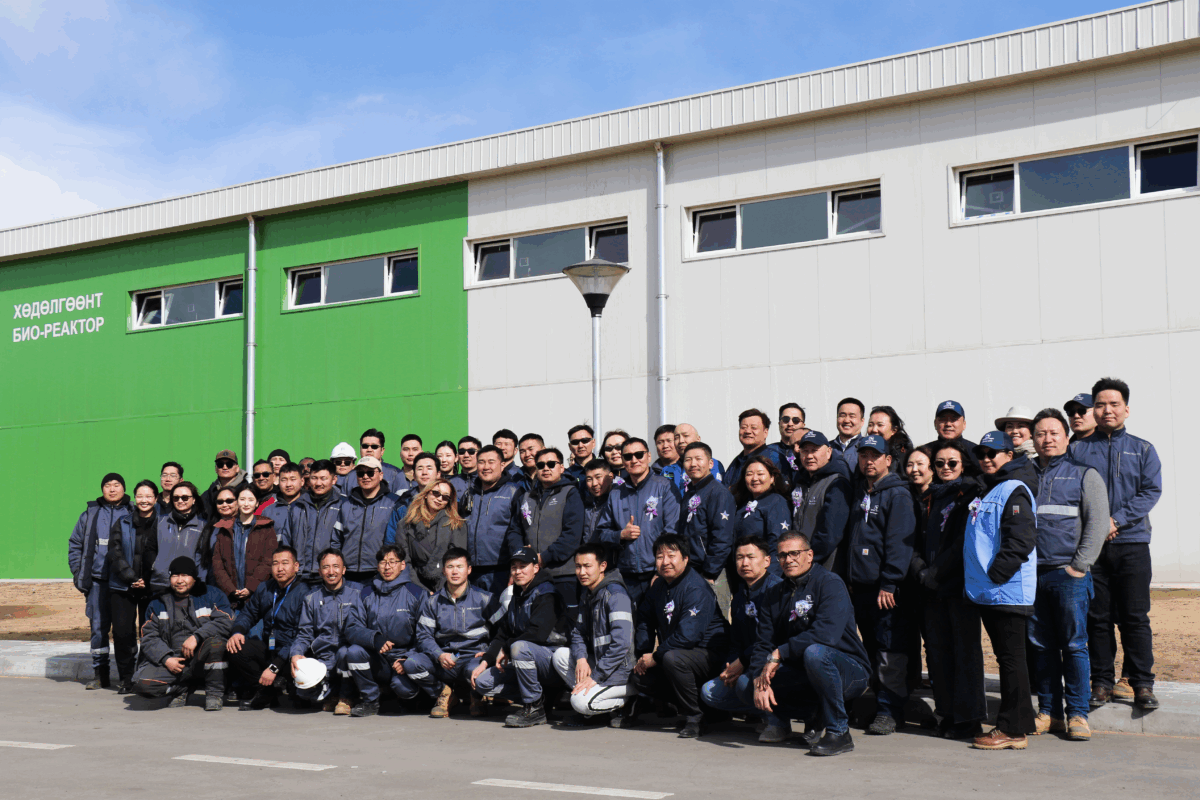
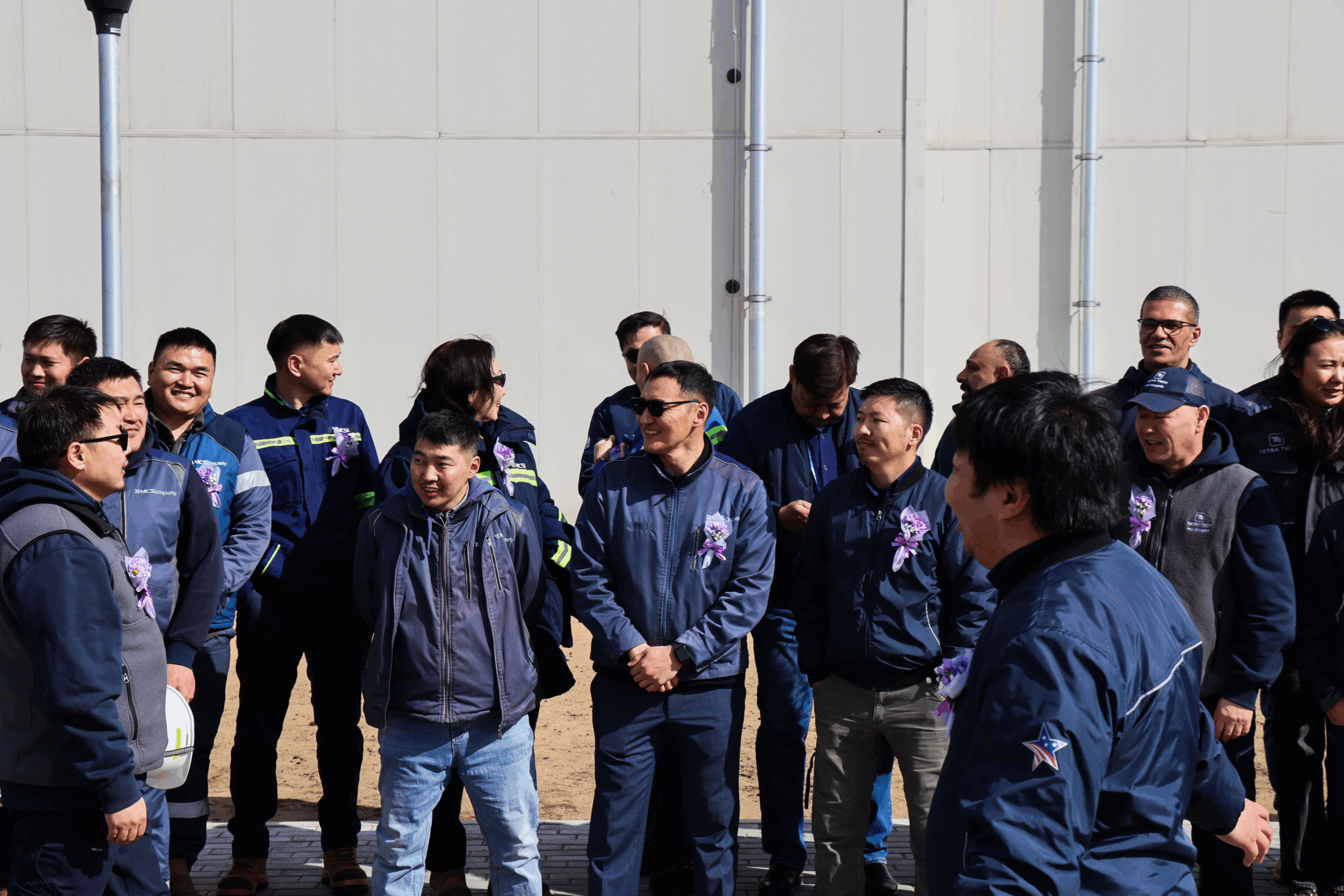
Working in partnership with leading French water infrastructure firms EGIS and VEOLIA, MCS Property developed the project’s process and engineering design and successfully completed construction and installation works over a period of 45 months. The project was carried out by 136 engineers and technical specialists from the company, in collaboration with 166 personnel from more than 50 local subcontractors.
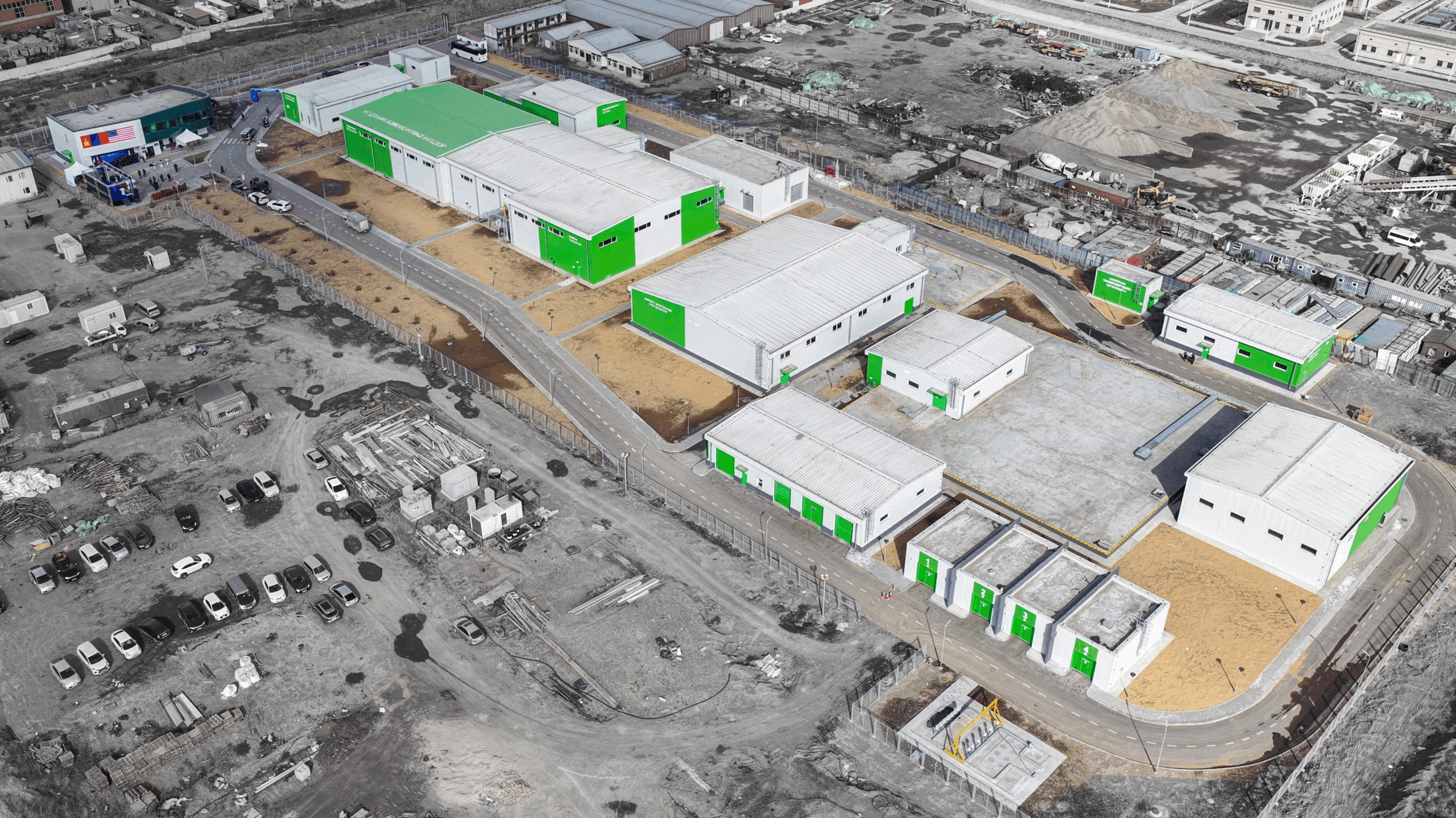
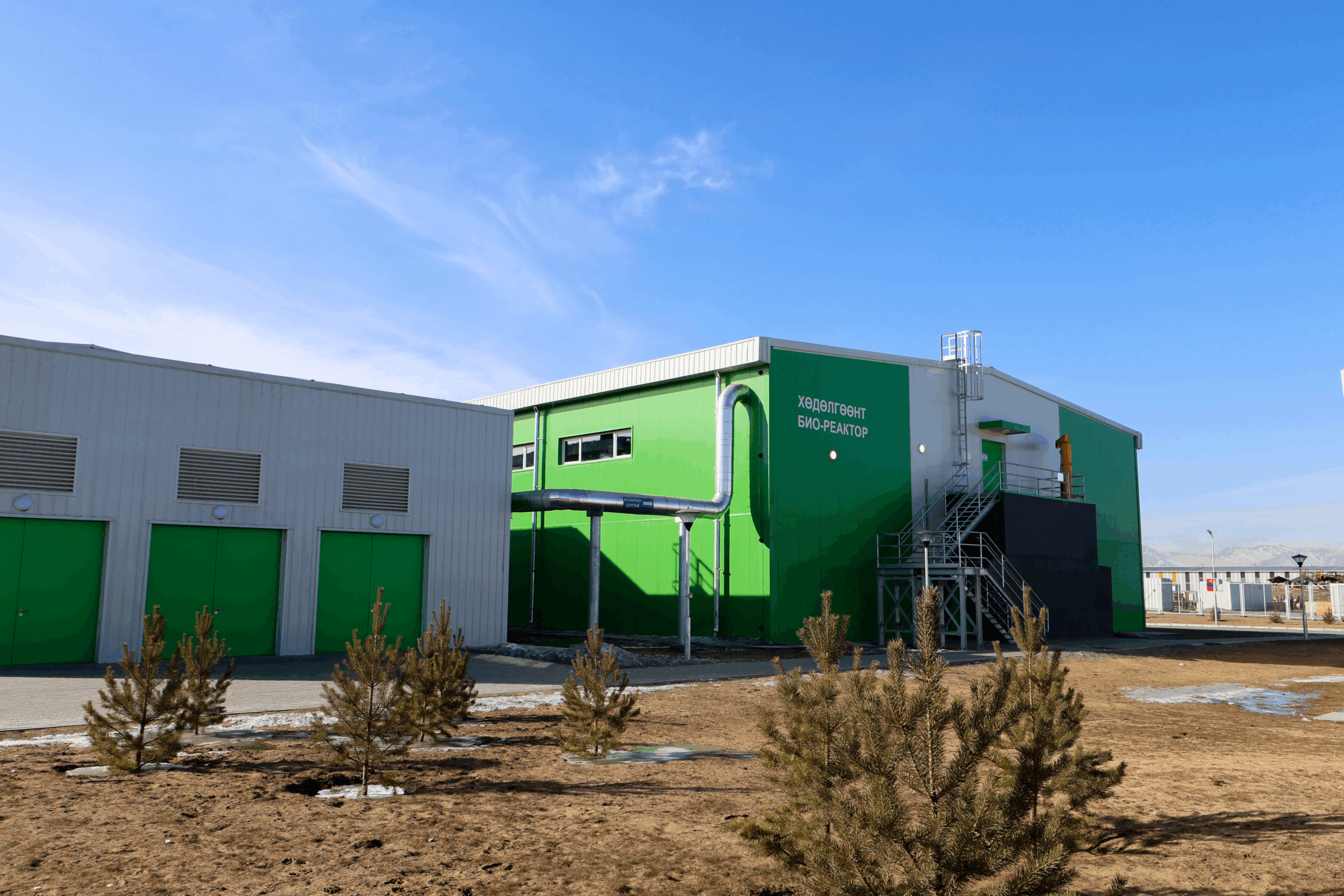
As part of the project, 17 buildings and structures required for plant operations were constructed, showcasing the expertise and capabilities of Mongolian engineers. The works incorporated reinforced concrete, steel structures, formwork, doors, and windows that meet required construction quality and safety standards. The plant’s moving bed bioreactor facility was fitted with advanced, modern equipment and innovative technological solutions.
It was also highlighted during the opening ceremony that the plant has been fully equipped with an intelligent control system, designed to streamline operations, improve manageability, and reduce manual labor.
In addition, the project distinguished itself through its strong focus on environmental, social and governance (ESG) practices. Throughout implementation, the project team developed, executed, monitored, and reported on ESG plans with due consideration for all stakeholders affected by the project. As a result, the initiative is expected to deliver broader social and economic benefits, including improved accessibility, stronger regional economic activity, higher labor productivity, and greater awareness of gender inclusion.